
OYTIADHESIVE PIONEERS

3D FILM LAMINATION

Follow the shape.
Perfect the surface.

Polyurethane dispersion adhesives for decorative films and profiled furniture components. Developed for heat-reactivated bonding in membrane pressing.

Explore adhesive solutions

Select a numbered point to explore the film, carrier and contours.

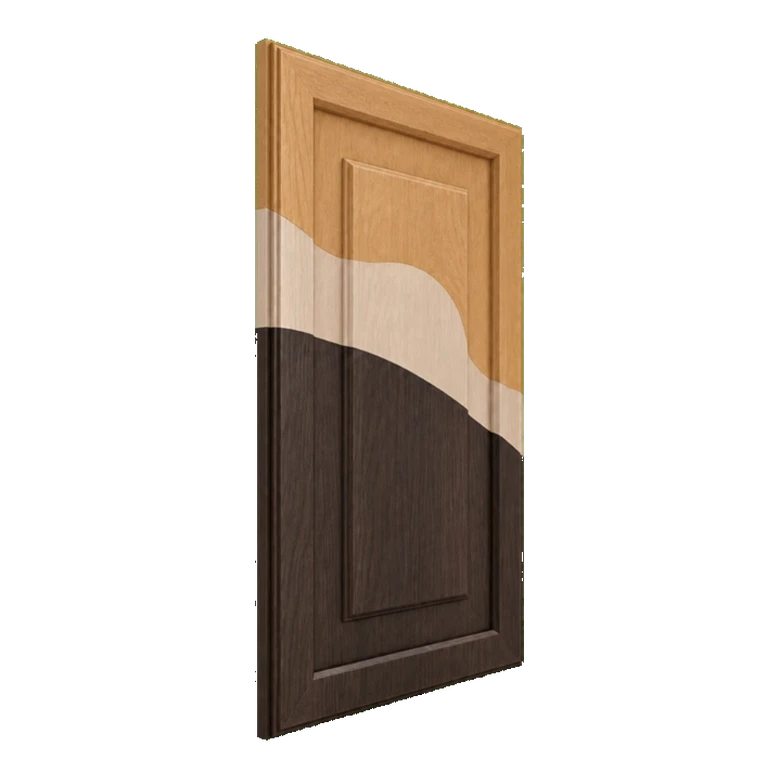
Profiled cabinet panel cutaway showing the wood carrier and decorative laminate layers
01

Decorative film

Select adhesive behaviour around the film and desired finish.

Explore OYTIPUR

THE APPLICATION

From a flat film
to a three-dimensional finish.

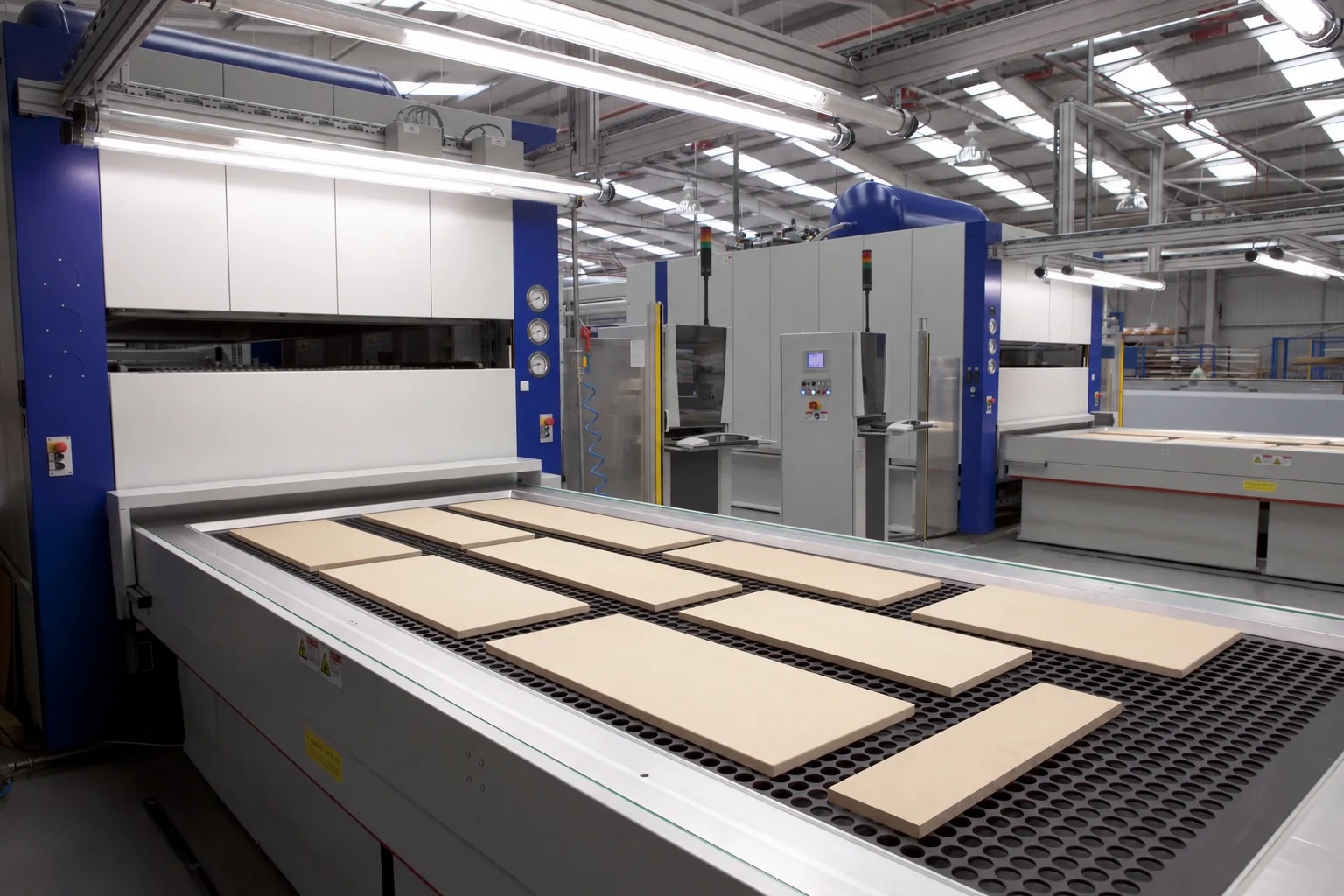
Kitchen fronts, bathroom furniture and interior doors combine decorative appearance with complex geometry. OYTIPUR supports film lamination on profiled MDF carrier parts using heat and vacuum.

  • Film type and profiled MDF carrier
  • Membrane press or thermoforming process
  • Drying and reactivation conditions
  • Required peel, heat and moisture resistance

Different finishes.
The same attention to detail.

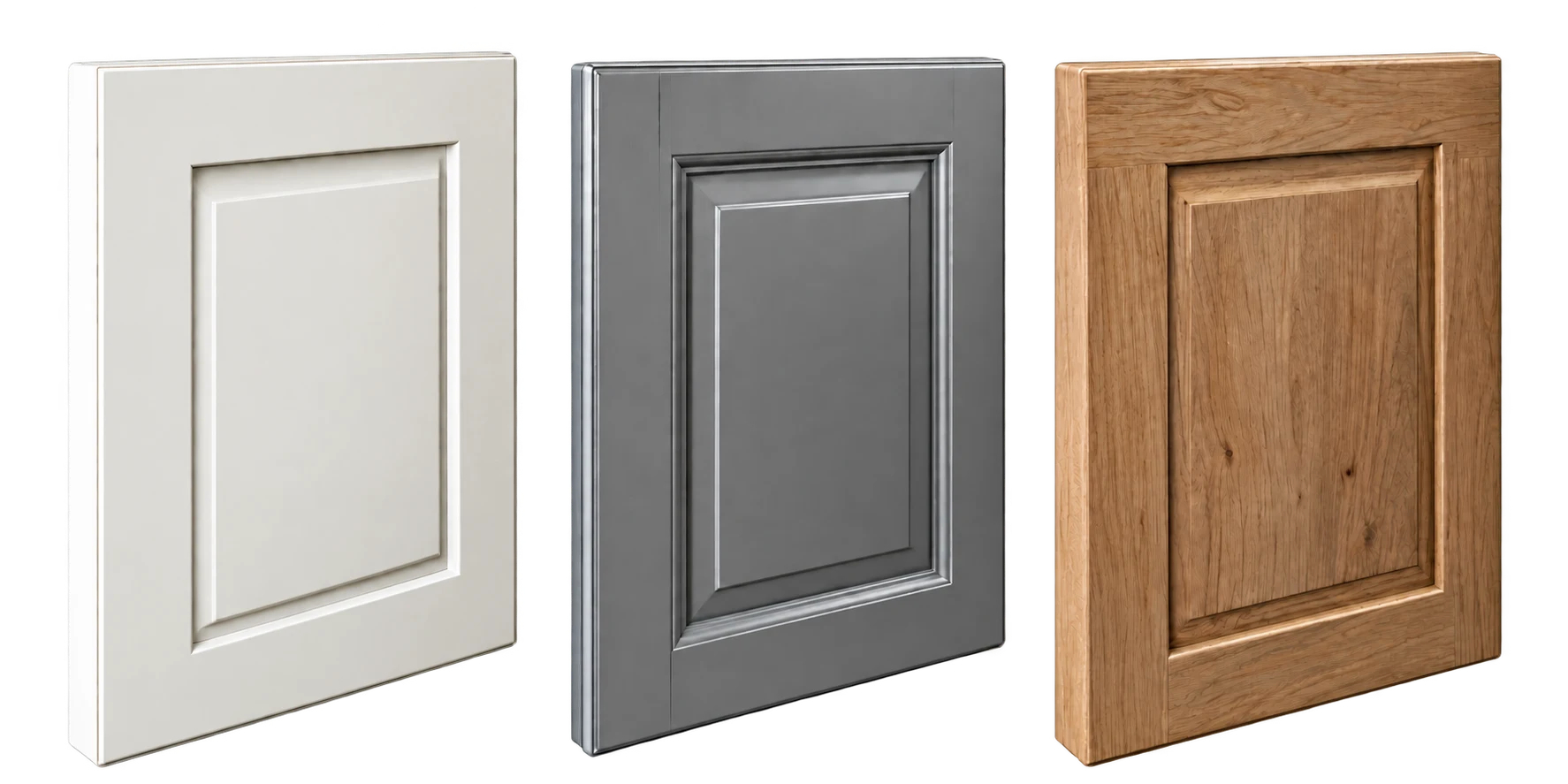
From a smooth colour to a wood-grain effect, the decorative film follows the profile of the component. Consider the film, adhesive and pressing conditions together.

Three profiled cabinet fronts with white, grey and wood-grain finishes
White finishGrey finishWood-grain finish

Illustrative surface finishes. Suitability depends on the selected film and substrate.

OYTIPUR / WATERBORNE POLYURETHANE

One component or two.
The complete process decides.

The right system brings together the film, the MDF profile and the performance expected of the finished front.

1K

One-component systems

A ready-to-use dispersion simplifies adhesive preparation by removing a separate hardener-mixing step. Latently reactive formulations can provide crosslinking within the supplied system.

On the line
Consistent preparation, with drying and the permitted reactivation window controlled for the selected grade.
Selection focus
Film compatibility, initial bond strength and the heat and moisture resistance of the finished component.
2K

Two-component systems

The dispersion is mixed with a specified crosslinker before application. This provides another route to the resistance required by demanding furniture constructions.

On the line
Accurate dosing, thorough mixing and a controlled usable life of the mixture are essential.
Selection focus
Match the adhesive–hardener combination and processing window to the actual materials and press cycle.

The number of components alone does not determine the activation temperature or final resistance. These depend on the formulation and the complete laminate.

REACTIVATION & PROCESS CONTROL

Heat where
the bond is formed.

The relevant activation temperature is reached in the adhesive layer. It is not simply the number shown on the press.

Profiled MDF cross-section: dryWater leaves the applied coatingPROFILED MDFSection view · layers enlarged for clarity
Decorative filmAdhesive layerMDF carrier

FOLLOW THE BOND LINE

From coating
to contour.

01 / DRY

Remove the water

The sprayed dispersion must form a sufficiently dry film before lamination. Apply an even coating, paying particular attention to porous edges and routed profiles.

02 / ACTIVATE

Match the thermal window

Low-activation and higher-activation formulations need different heat input. Film thickness, dwell time and the substrate affect how much heat reaches the adhesive layer.

03 / FORM & BOND

Follow the contour

Heat makes the decorative film formable; vacuum and pressure bring it into contact with the coated carrier. Control the cycle, cooling and subsequent strength development together.

Activation temperature ≠ heat resistance

Activation describes the conditions needed to make the dried adhesive bond during processing. Heat resistance describes how the completed bond behaves in service. Use the selected OYTIPUR technical data sheet to define the activation window, then validate it on the actual component.

FROM SAMPLE TO FINISHED FRONT

Protect the detail.
Validate the finish.

Kitchen fronts, bathroom cabinets and interior doors each bring their own geometry and exposure conditions.

Carrier, film & surface preparation

Review MDF quality, dust removal and the film’s bonding face. PVC, PP and ABS films can require different adhesive formulations or pretreatment. Check the actual film specification before choosing a system.

Edges, recesses & film tension

Examine the deepest profiles and smallest radii after pressing. Consistent adhesive coverage and contact help control local lifting where the formed film exerts restoring forces.

Peel, heat & humid ageing

Evaluate bond integrity after the agreed conditioning and ageing sequence. Include the intended kitchen or bathroom environment, rather than judging suitability from the flat surface alone.

Pot life & reactivation window

Pot life is the usable processing time after a two-component system is mixed. The reactivation window is the permitted interval between coating and heat bonding. Keep both within the limits specified for the adhesive system.

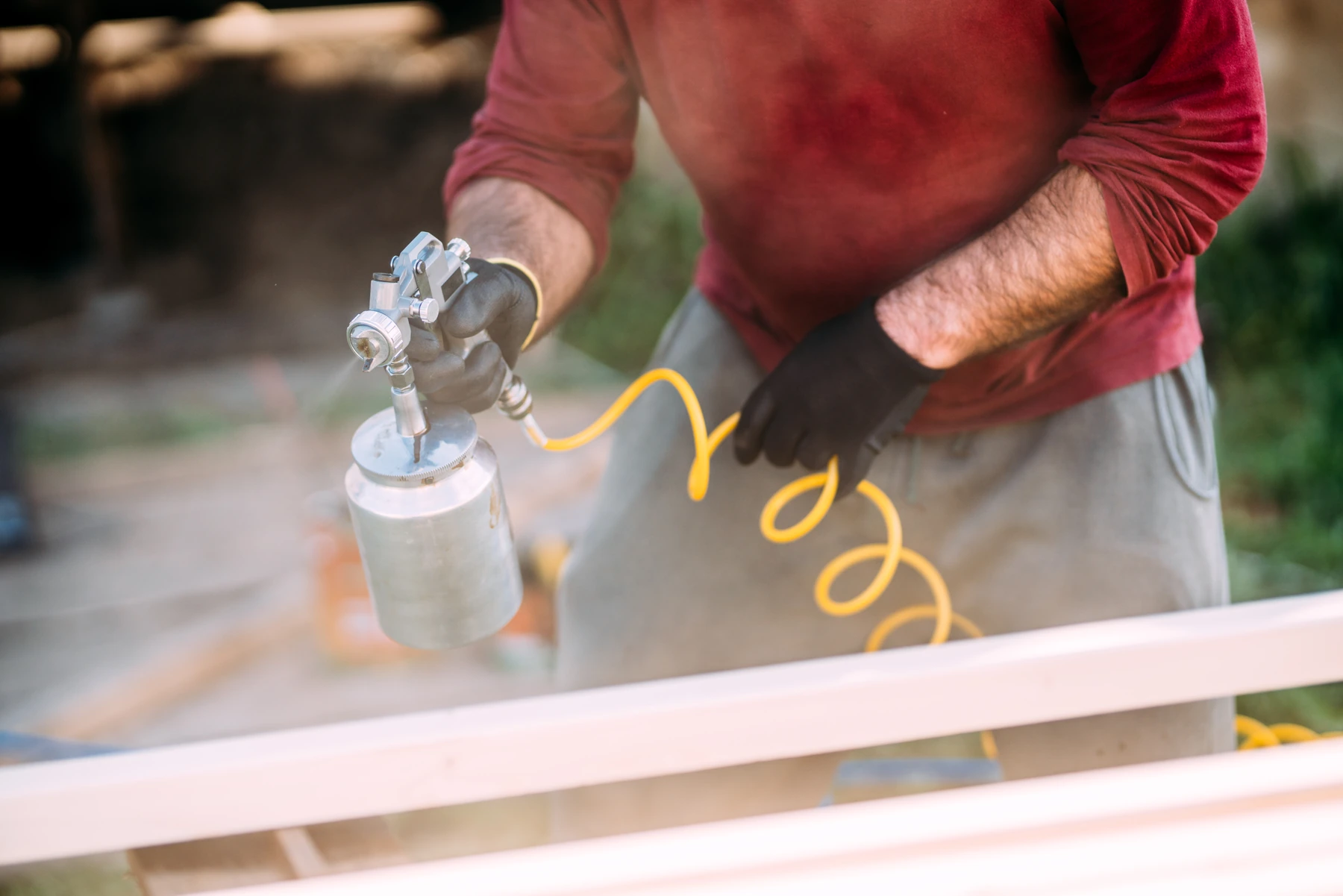
Spray application to a shaped furniture component

SURFACE PREPARATION & APPLICATION

Precision begins
before the press.

Controlled surface preparation, even coverage and consistent drying help prepare a shaped component for decorative film lamination.

MATCHED TO YOUR PROCESS

Explore the
adhesive solutions.

Start with a product family.
Then select the grade for your application.

POLYURETHANE DISPERSION ADHESIVES

OYTIPUR

One- and two-component polyurethane dispersions for decorative film lamination, including membrane-press applications.

Explore OYTIPUR

LET’S BUILD THE NEXT BOND.

What are
you making?

Tell us about your materials and your production process. Let’s explore the right adhesive together.

Talk to our teaminfo@oyti-adhesives.com+90 226 400 00 27