01 / TECHNOLOGY
SBS / SIS
Flexible, pressure-sensitive bonds
Thermoplastic elastomer-based HMPSA for foam and textile lamination, mattress assembly and self-adhesive applications.
Initial tack · Flexibility · Open time
 ADHESIVE PIONEERS
HIGH PERFORMANCE HOTMELT ADHESIVES

Hotmelt and pressure-sensitive hotmelt adhesives for industrial bonding, assembly and lamination. Developed around your processing requirements.
OYTITHERM / TECHNOLOGY
The right hotmelt starts with your materials and production method. Our range includes SBS/SIS, APAO and EVA-based solutions, with specialist grades for other applications.
Thermoplastic elastomer-based HMPSA for foam and textile lamination, mattress assembly and self-adhesive applications.
Polyolefin-based hotmelts for foam processing, industrial assembly, packaging and compatible woodworking profile-wrapping applications. Match the grade to the materials and processing window.
EVA-based hotmelts for pocket-spring production and other automated bonding applications, including packaging.
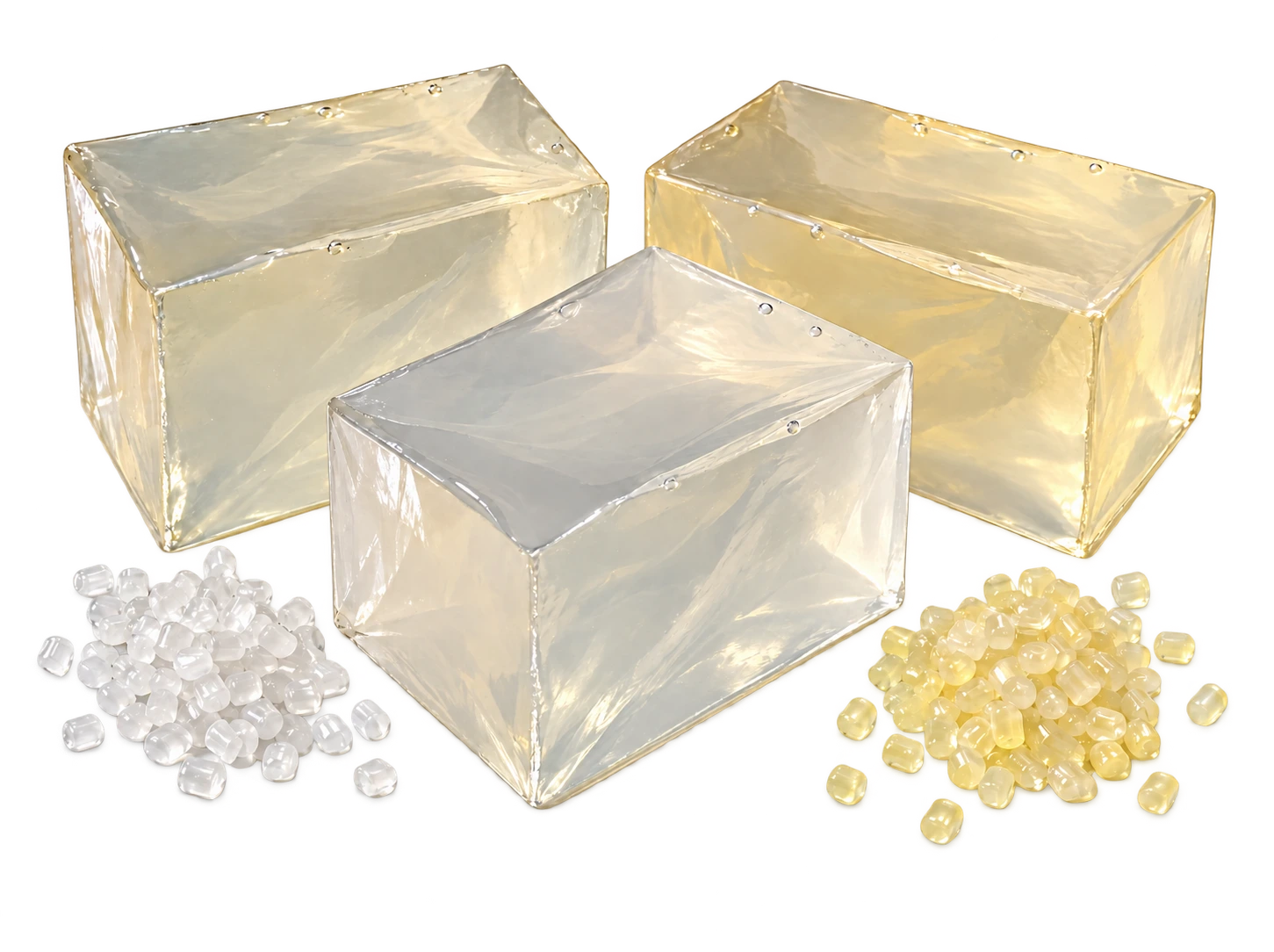
Hotmelt adhesives can differ in colour, appearance and handling. Choose the grade by its bonding requirements and processing data; appearance alone does not define performance.
OYTITHERM / UNDERSTAND THE BOND
Understanding how an adhesive behaves helps connect your materials, assembly sequence and finished-product requirements.
HOT MELT ADHESIVES
Heat makes the adhesive flow onto the first material.
Bring the second material into contact within the open time.
The adhesive develops strength as the bond cools.
Conventional thermoplastic hot melts are applied in a molten state. Materials are joined while the adhesive can still wet their surfaces, and the bond develops as it cools.
Match open time and setting behaviour to the joining sequence and the point at which the assembly needs to be handled.
PRESSURE-SENSITIVE HOT MELTS / HMPSA
Apply the molten adhesive to a tape, label or other carrier.
The cooled adhesive surface remains pressure-sensitive.
Pressure helps the adhesive contact the target surface.
Pressure-sensitive hot melts are also applied molten, but retain tack after cooling. This enables a coated carrier to form a bond through contact and pressure at a later stage.
Balance initial tack, internal adhesive strength and surface contact around the carrier, target surface and end use.
Aqua indicates adhesive; pale layers indicate the materials being bonded. Simplified process illustrations, not product specifications.
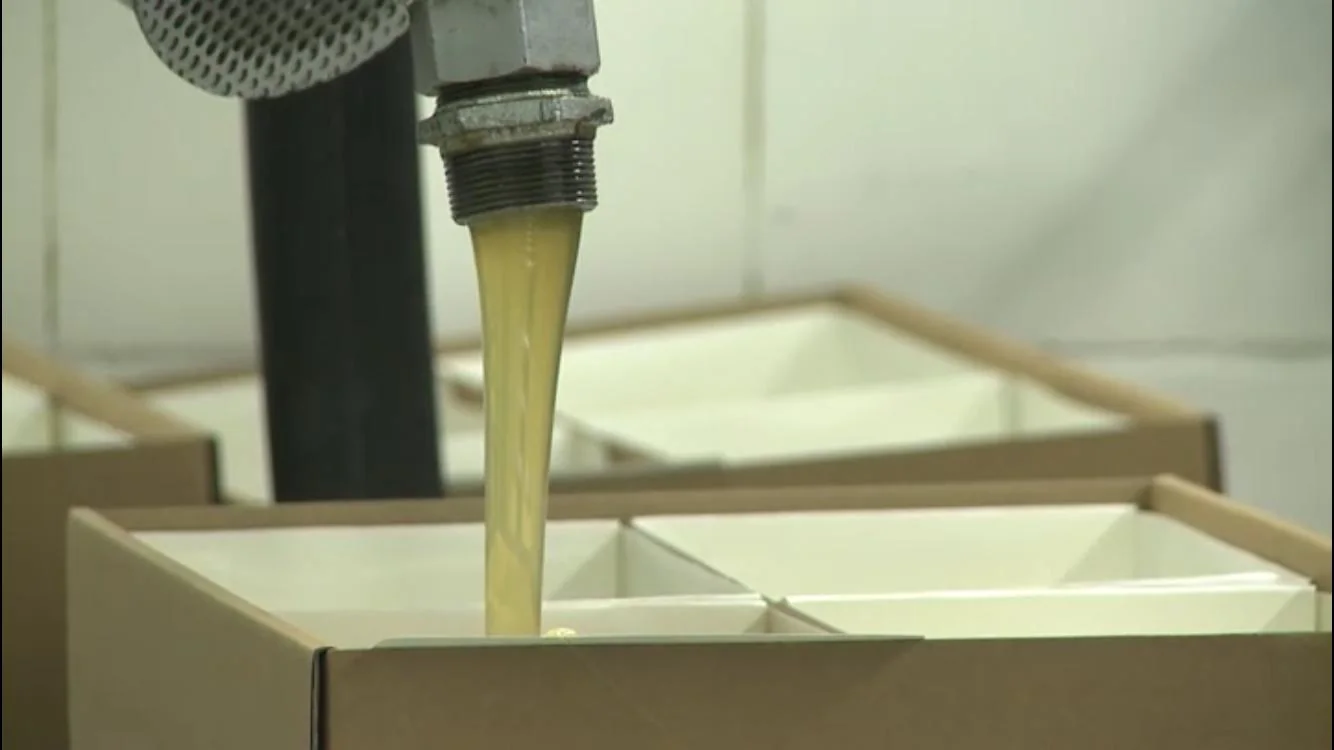
Hotmelts are processed in a molten state. Temperature and flow behaviour matter when preparing the adhesive and matching it to the application process.
OYTITHERM / PACKAGING
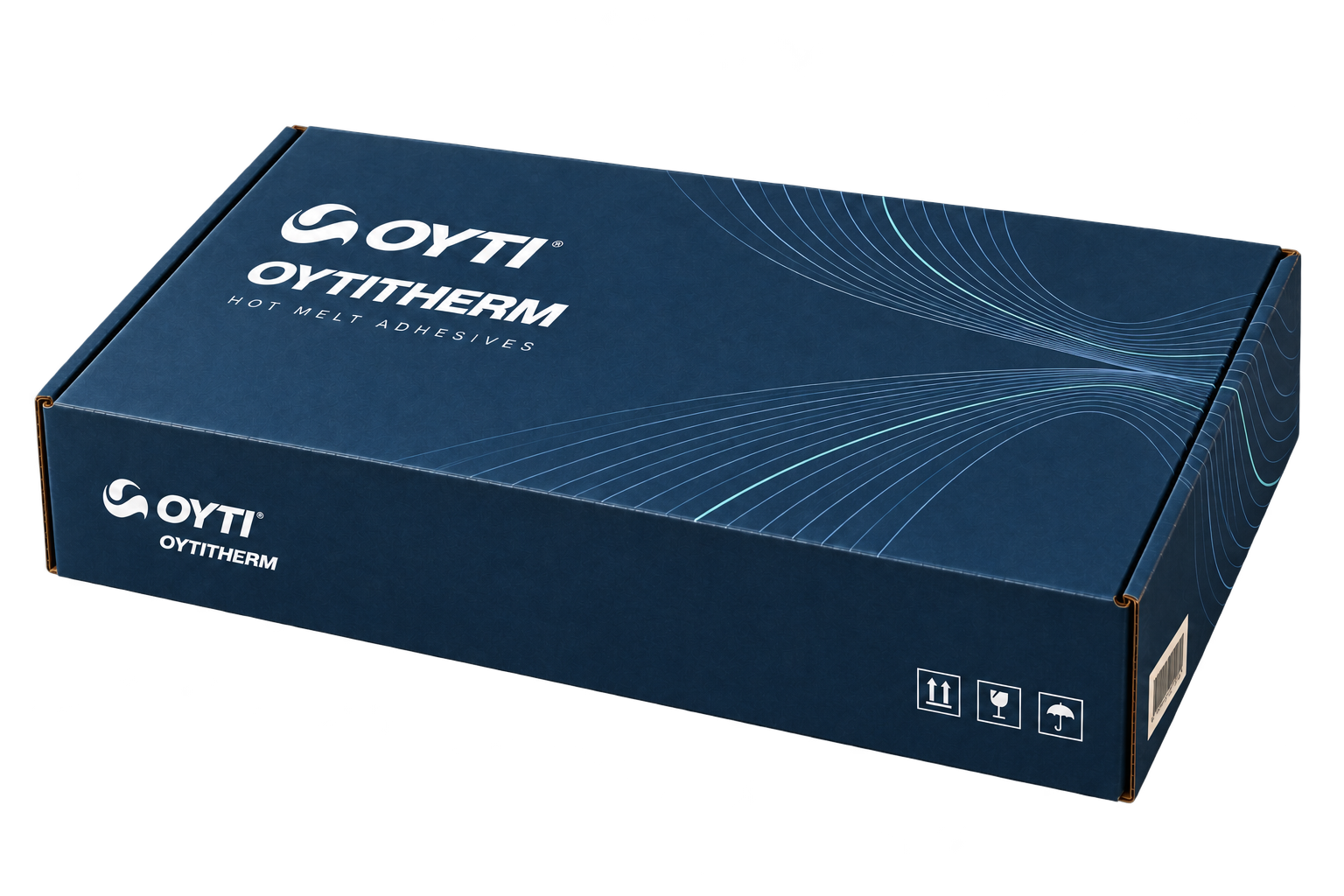
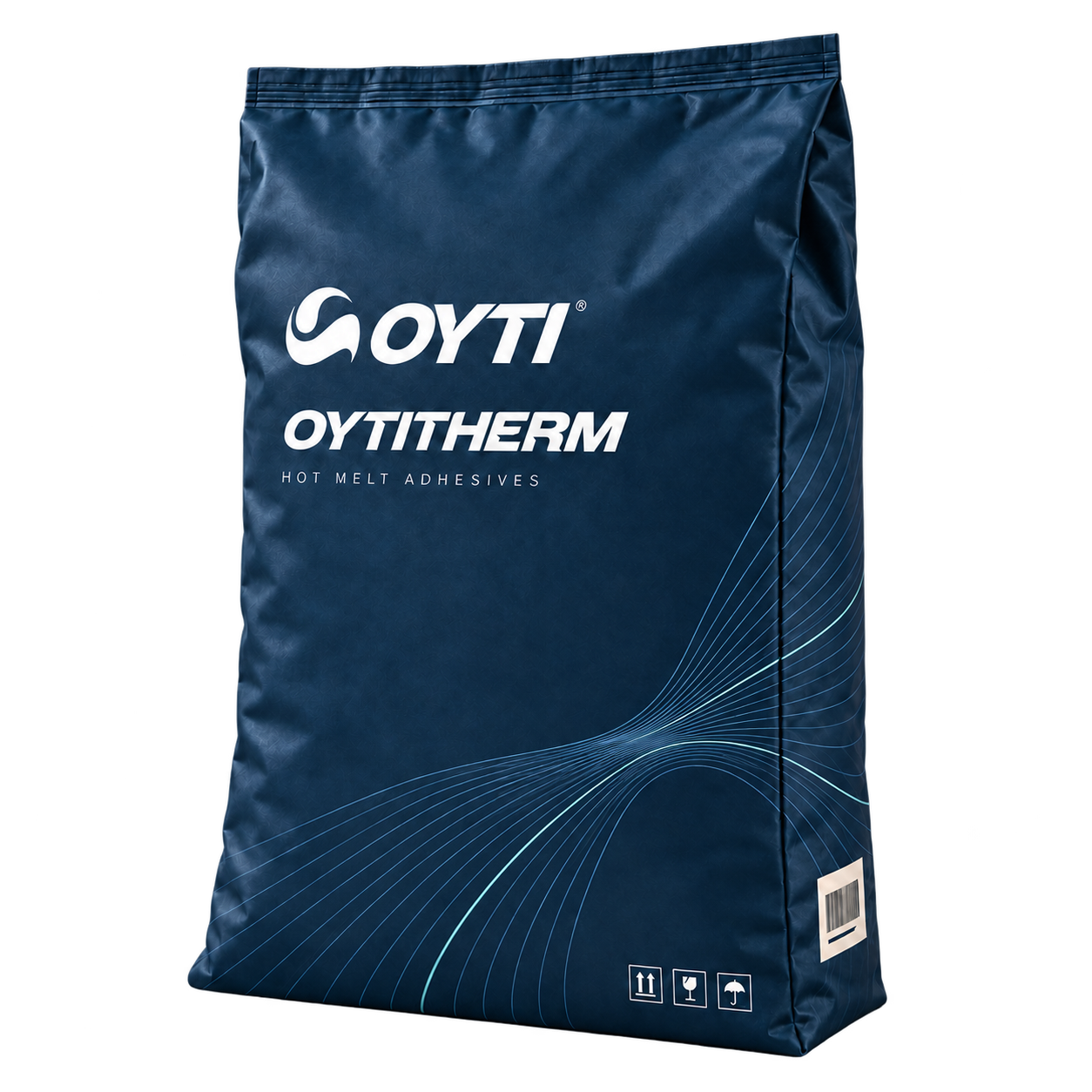
Choose a packaging format around your adhesive grade, handling and supply requirements.
Packaging availability depends on the selected grade. Our team will help confirm the right format.
Discuss your requirements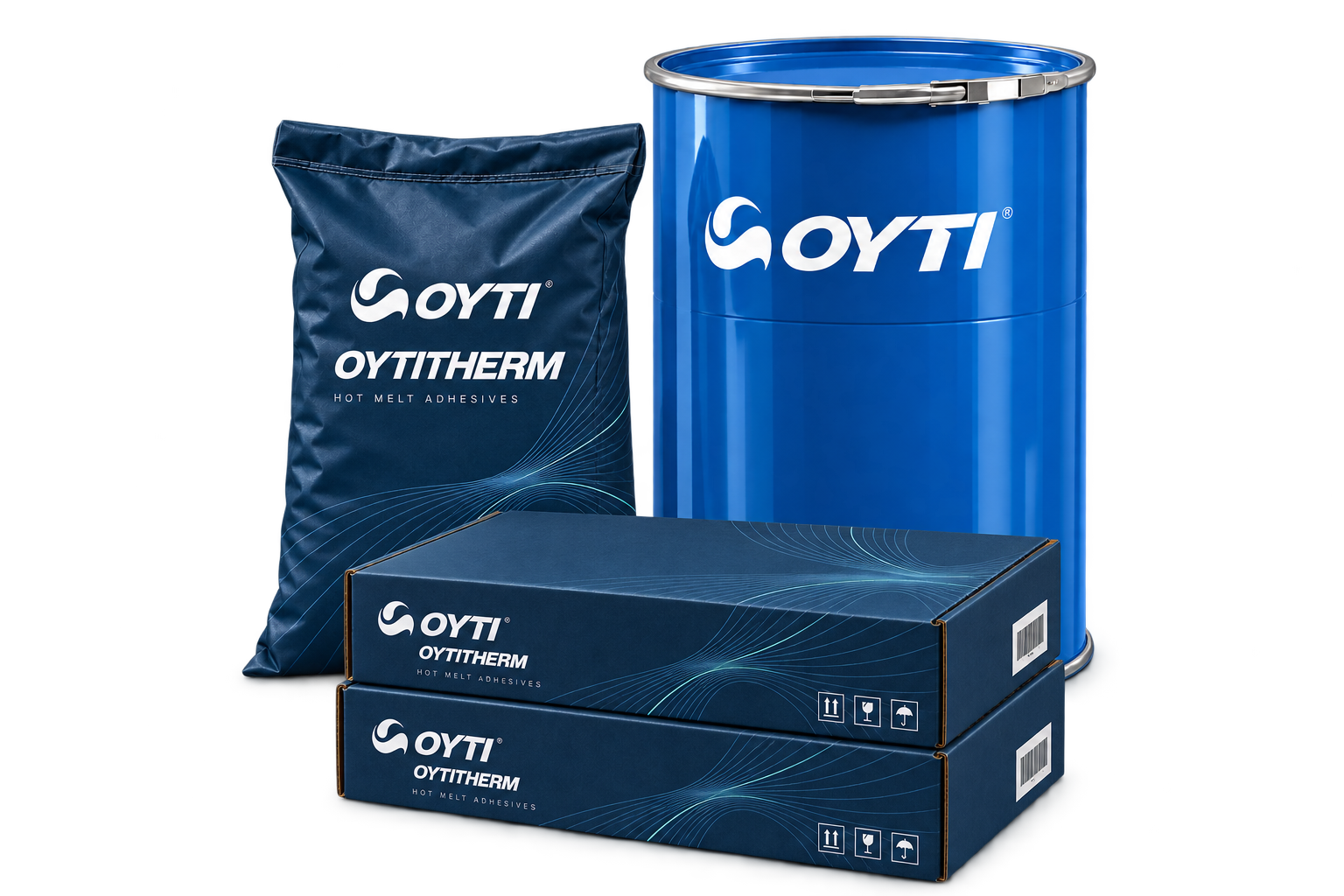
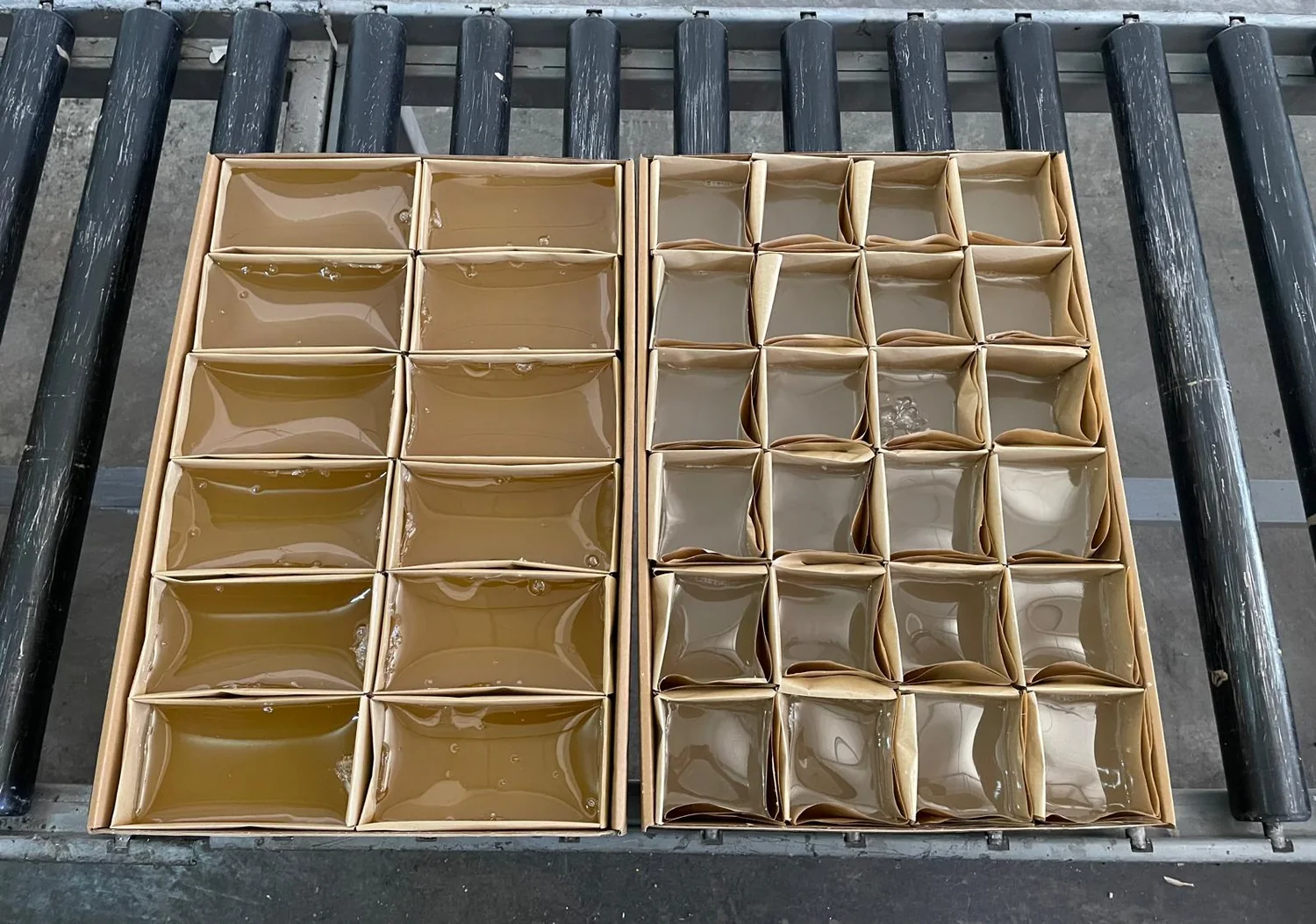
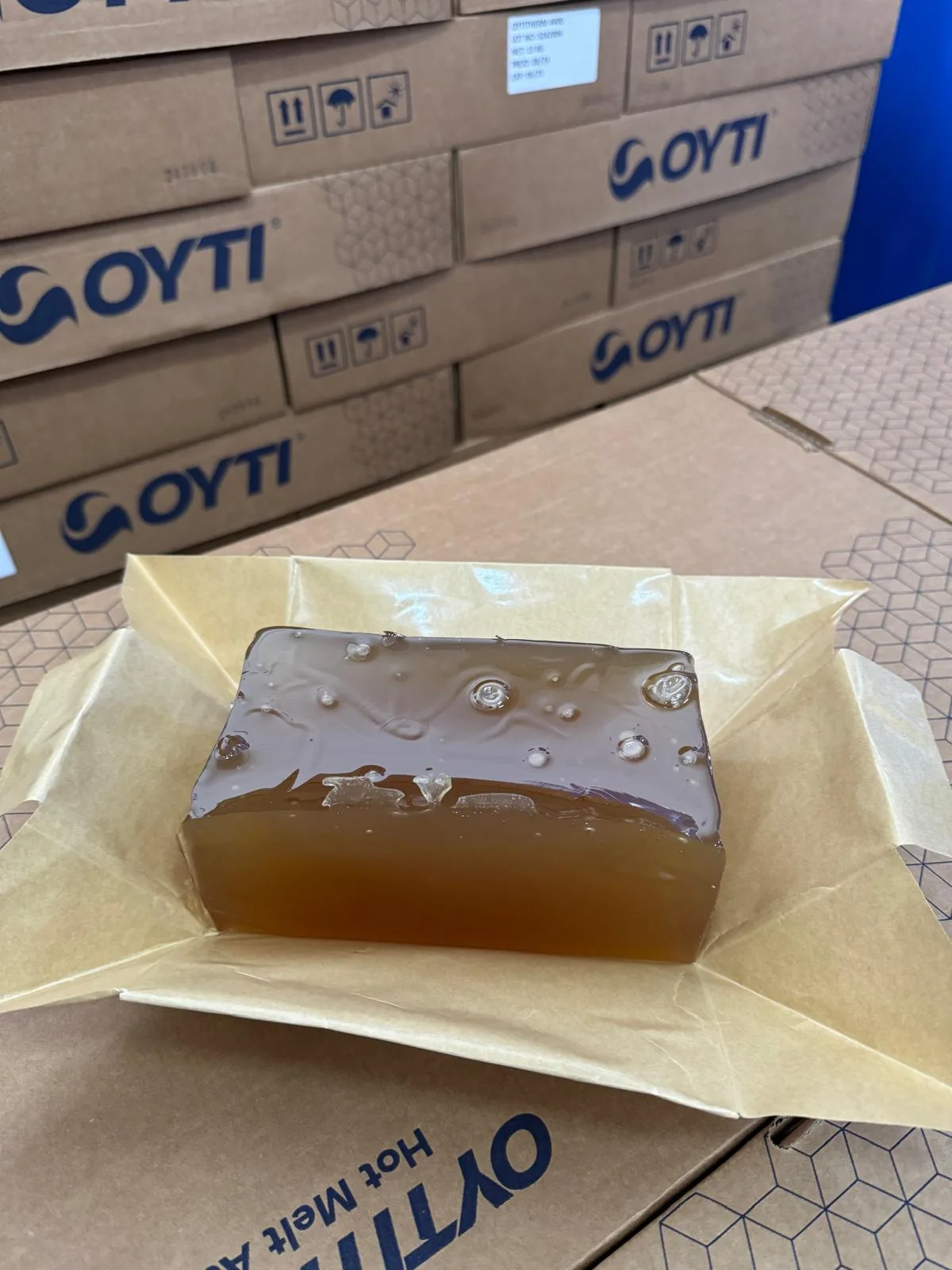
The supplied form is part of the production workflow. Discuss block format, packaging and loading requirements with our team when selecting your OYTITHERM grade. Matching the supply format to your melting equipment helps organise adhesive loading and day-to-day handling.
OYTITHERM / MATCH THE PROCESS
Application pattern, coverage and timing work together. We discuss the method around your equipment, material combination and production sequence.
Place a continuous adhesive line along a defined path. The bead needs to meet the second material at the right position and within the joining window.
Bead position · Component geometry · Joining time
Apply discrete amounts at selected points. Dot spacing and distribution determine where the materials make adhesive contact across the assembly.
Dot spacing · Contact area · Assembly pressure
Distribute adhesive over a wider area in a controlled pattern. Evaluate coverage together with the flexibility and appearance required in the finished component.
Spray pattern · Coverage · Material feel
Form an adhesive layer on a carrier using suitable coating equipment. Layer uniformity, surface wetting and downstream converting conditions work together.
Coating uniformity · Carrier surface · Converting process
Illustrative application methods. Compatibility and processing conditions are confirmed for the selected adhesive, substrates and equipment.
Discuss your applicationFROM SELECTION TO PRODUCTION
Match polymer family and grade to your substrates.
Set application conditions using the selected grade’s technical data.
Assess the bond in your actual assembly and production process.
Processing conditions and performance depend on the selected grade, substrates and application. Our team can provide the relevant technical data.
WHERE IT WORKS
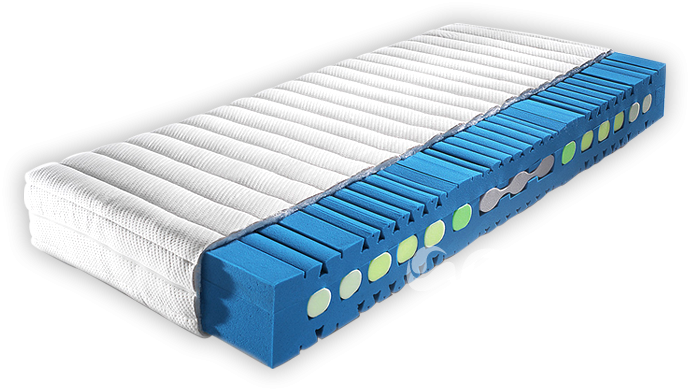
Flexible bonds for foam layers, textiles and mattress assembly.
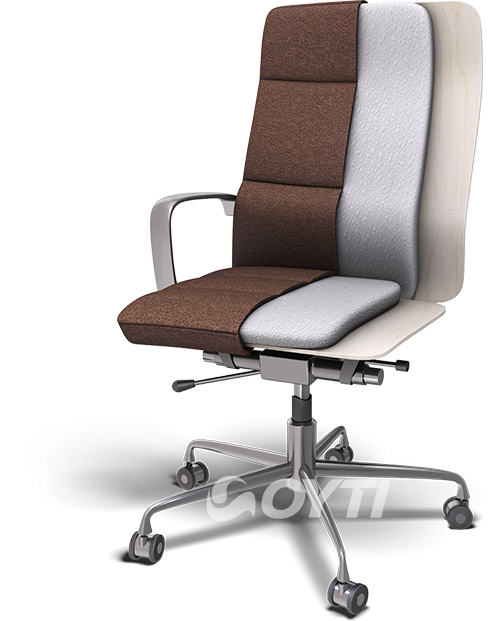
Adhesive solutions for the material combinations behind upholstered furniture, office chairs and shaped foam components.
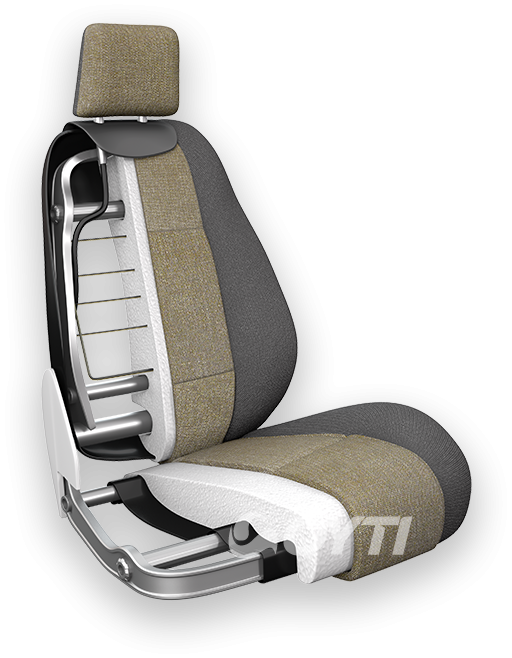
Bonding solutions for vehicle seats, trim and interior surfaces.
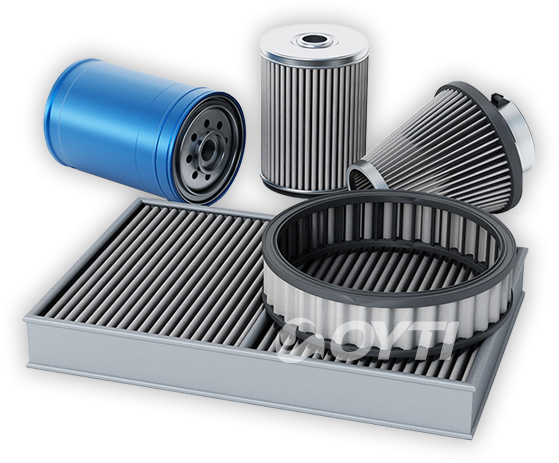
Hotmelt and polyurethane casting solutions for filter elements, cartridges and end caps.
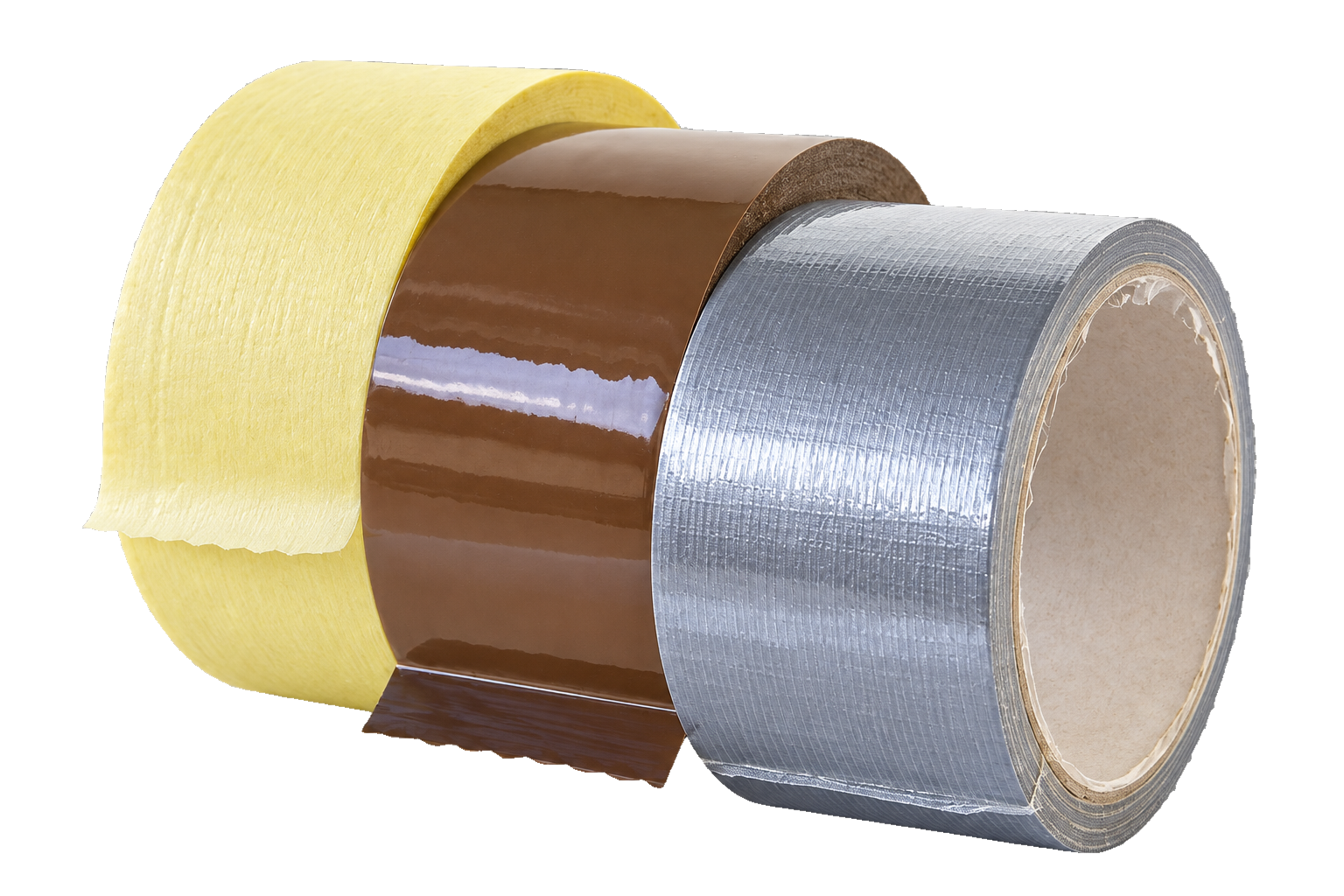
Pressure-sensitive hotmelt adhesives for self-adhesive articles.
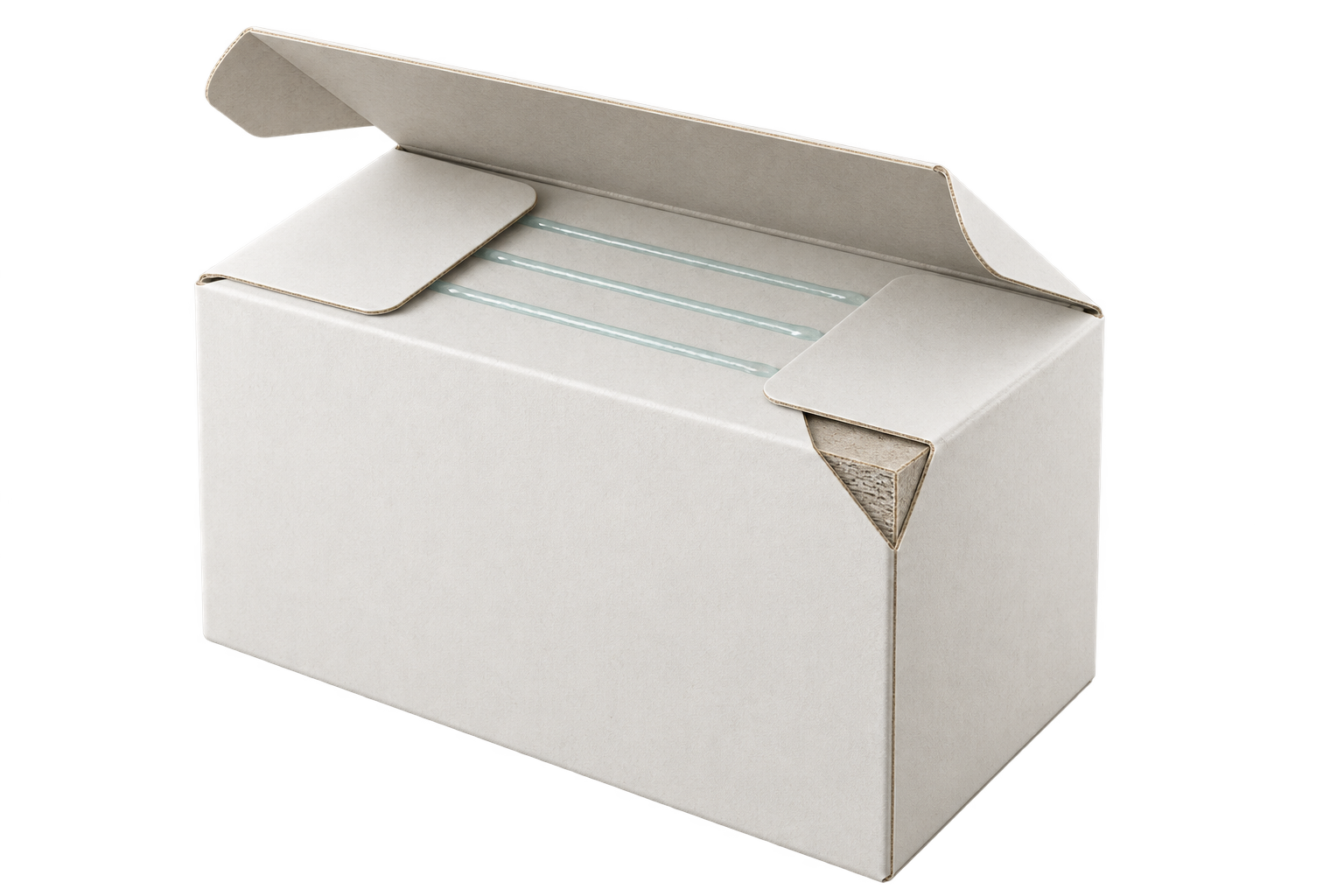
APAO- and polyolefin-based hotmelt solutions for carton closing, case sealing and packaging assembly. Developed around your board, equipment and production conditions.
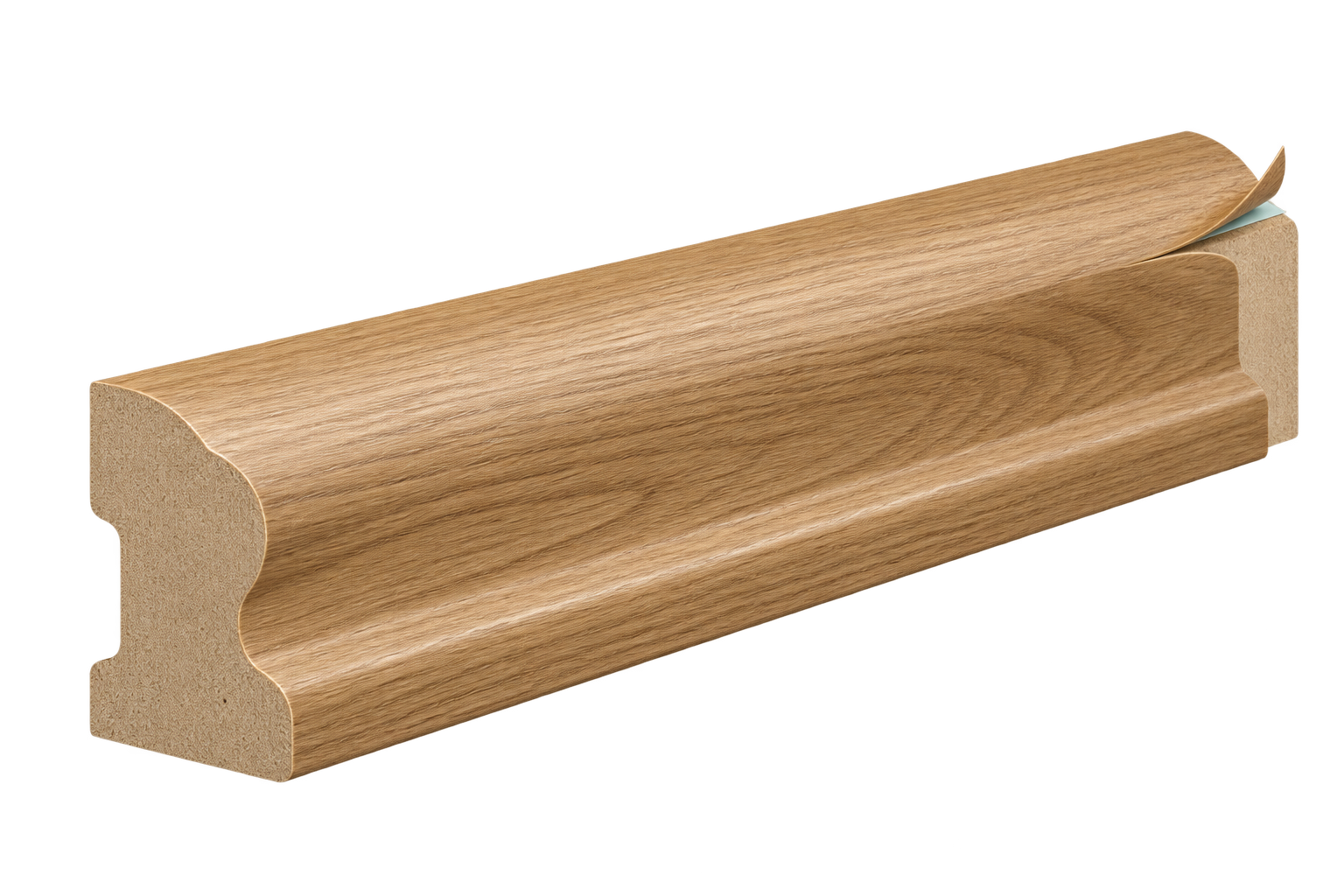
APAO- and polyolefin-based hotmelt solutions for decorative profile wrapping. Connect the carrier and facing around the geometry of your component.
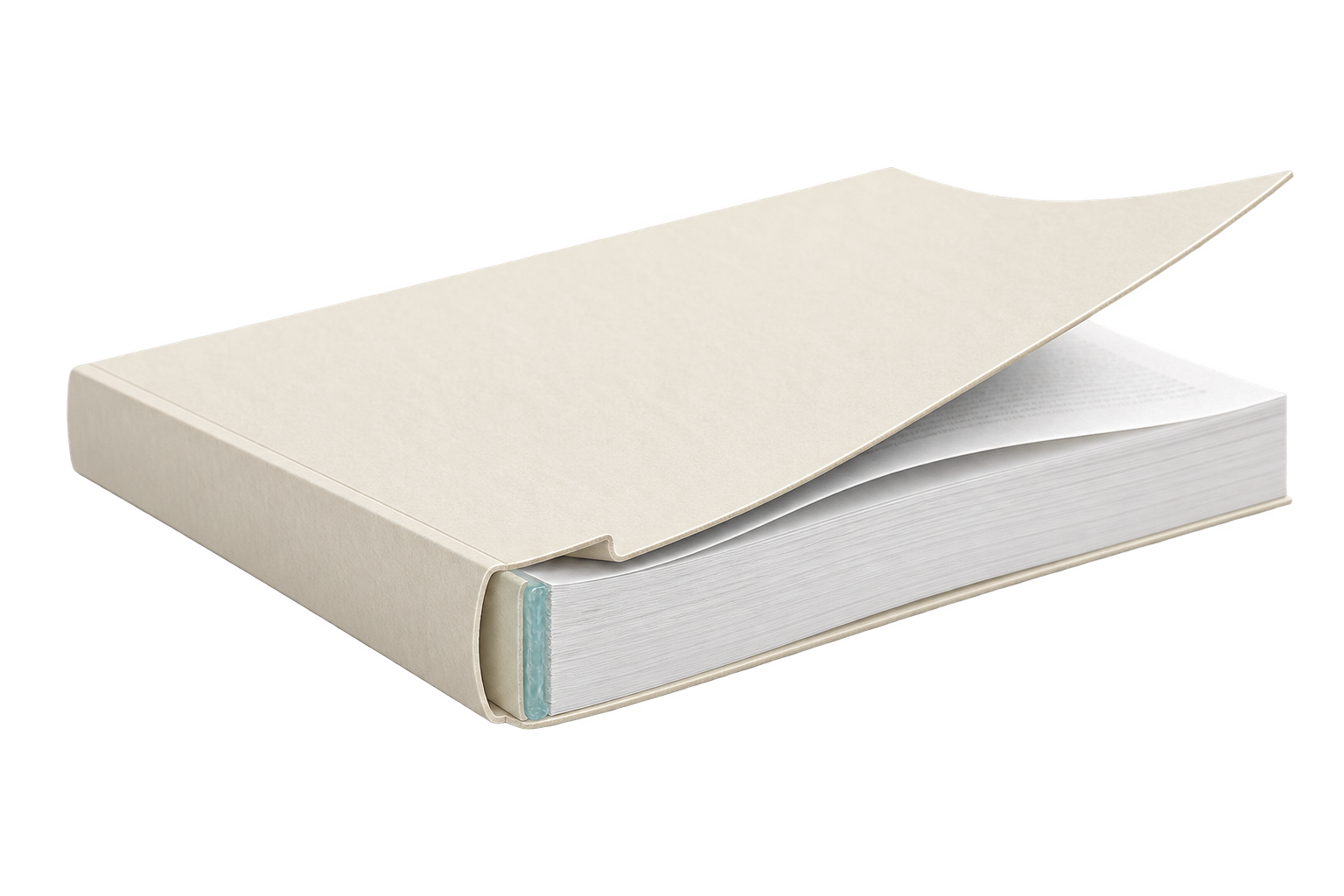
Hotmelt bonds for the page block, spine and cover — matched to your paper and binding line.
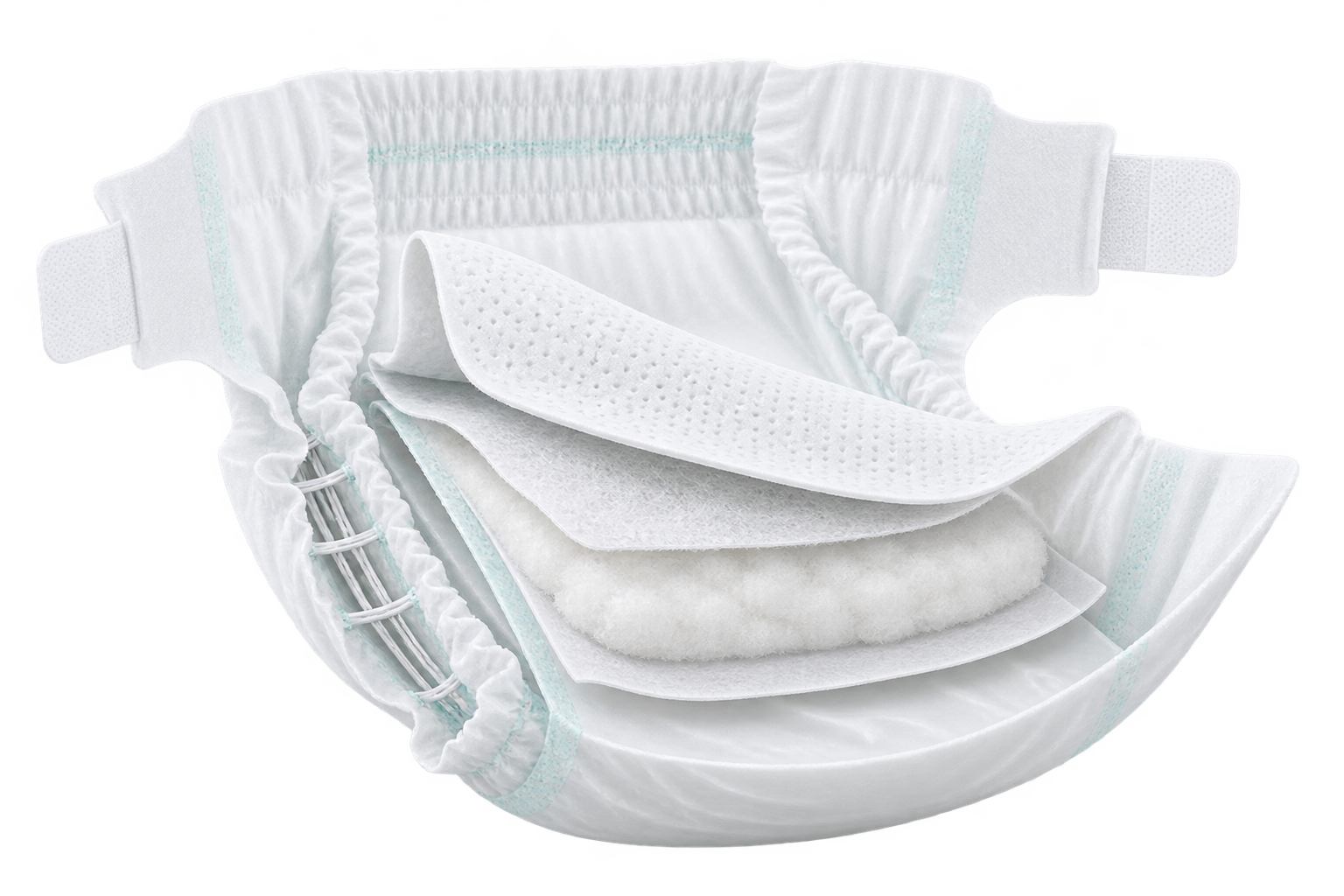
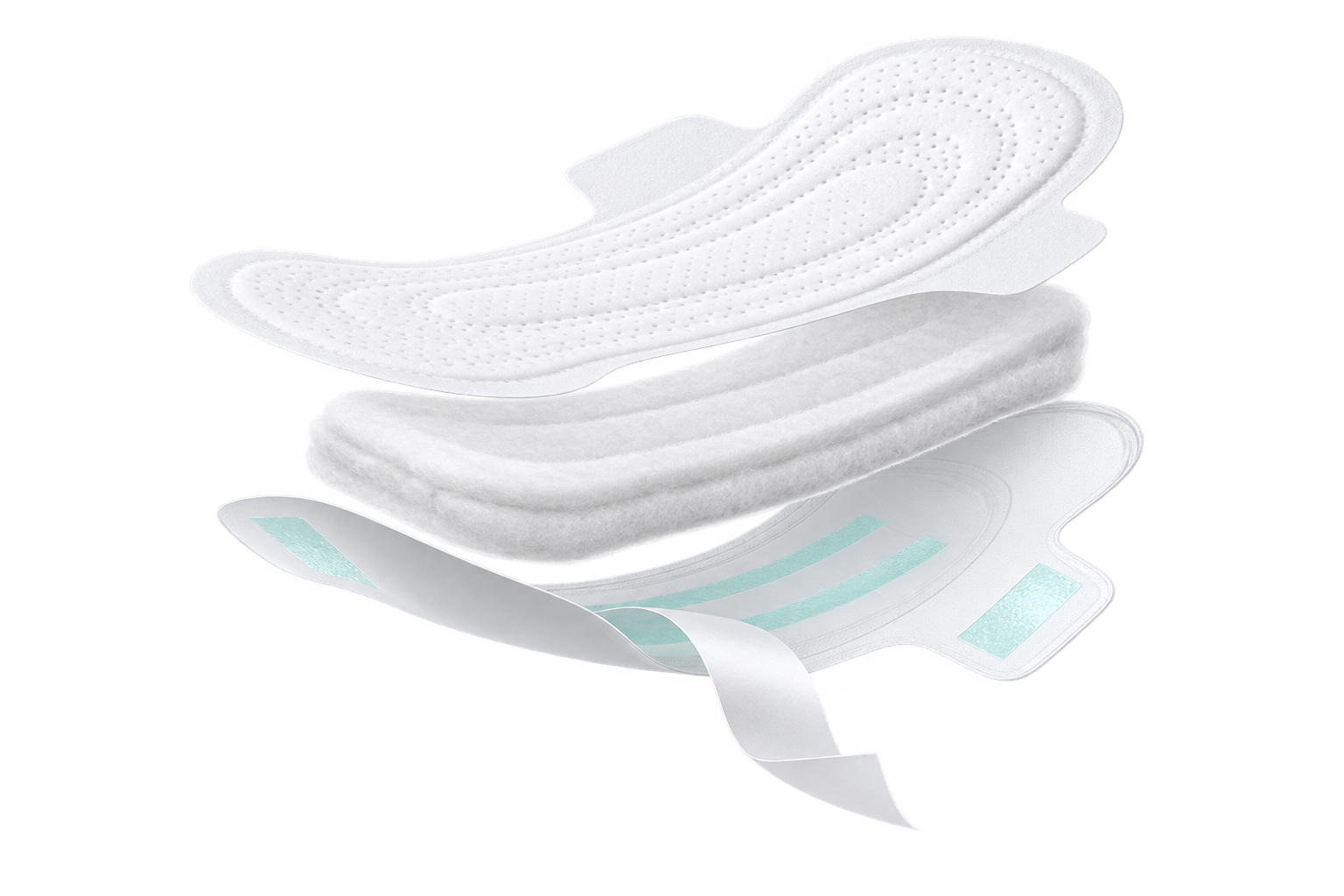
Hotmelt bonding for diaper construction, elastic attachment, absorbent cores, feminine-care positioning and wet-wipe lid attachment.
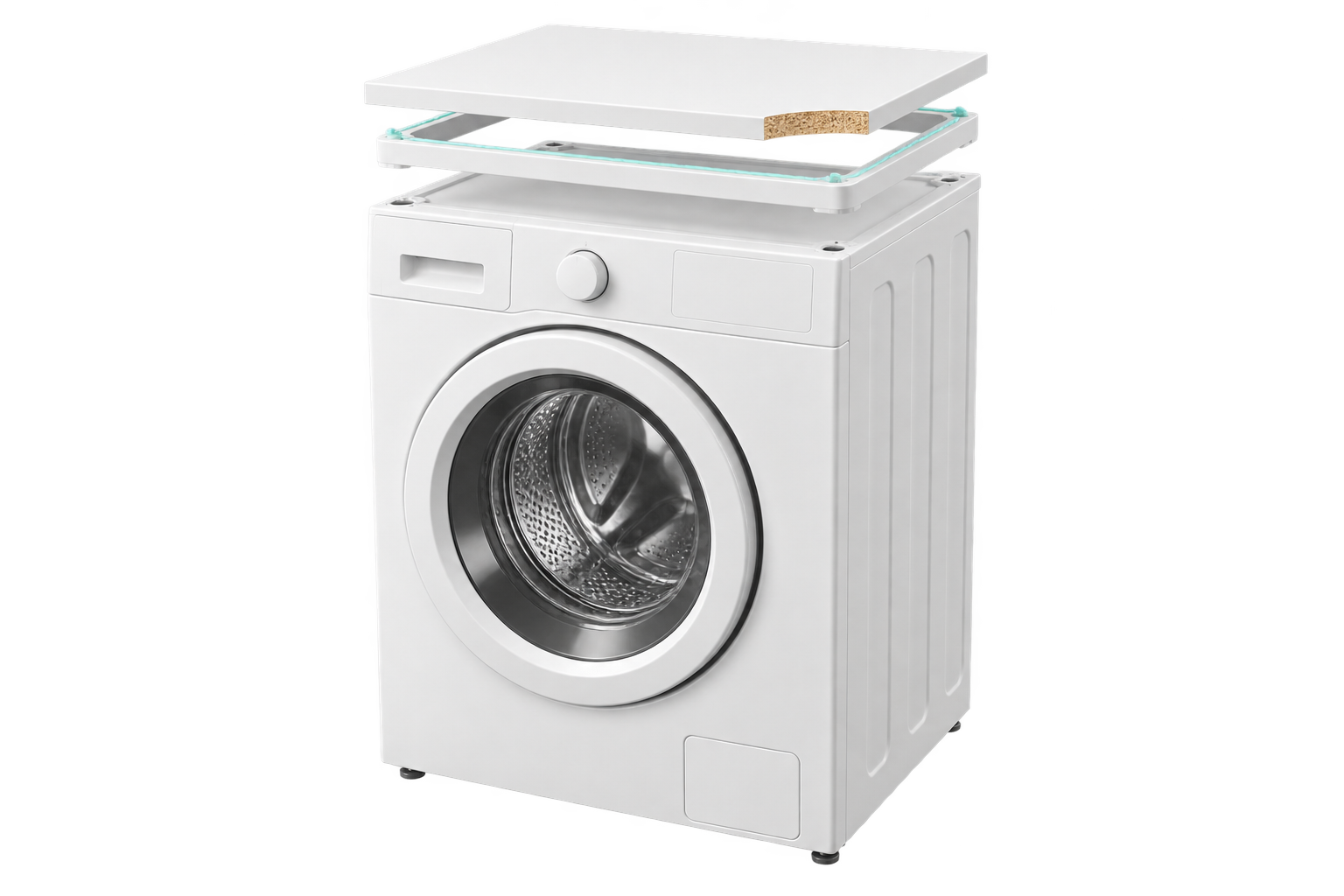
Elastomer-based pressure-sensitive hotmelts for appliance assembly. Explore table-top bonding and compatible trim, foam and damping-material applications.
LET’S BUILD THE NEXT BOND.
Tell us your substrates, application equipment, working time and performance requirements. We’ll help narrow down the hotmelt options.
Talk to our teaminfo@oyti-adhesives.com+90 226 400 00 27